
Chronic pain does not behave like a typical injury: its intensity varies from day to day, sometimes from hour to hour. These fluctuations make it difficult to plan any physical or social activity. Tracking these changes and adjusting your approach accordingly can help you maintain functional mobility without worsening your symptoms.
Secure prescriptions and opioids: what changes in 2025 for chronic pain
Since March 1, 2025, tramadol, codeine and dihydrocodeine must be prescribed on a secure prescription in France. This measure has a direct impact on the daily lives of patients who previously received these medications on a standard prescription.
The Île-de-France Regional Health Agency (ARS) notes that long-term opioid use for chronic pain calls for a thorough assessment of alternatives, benefits and risks, as well as regular reviews. This tighter regulation is prompting doctors and patients to explore non-drug approaches more widely.
Structured resources can support this shift toward a more varied approach to care, such as those available at https://moncoachdouleur.fr, which explain everyday pain self-management techniques.
Pain fluctuations: adapt your goals instead of sticking to a fixed program
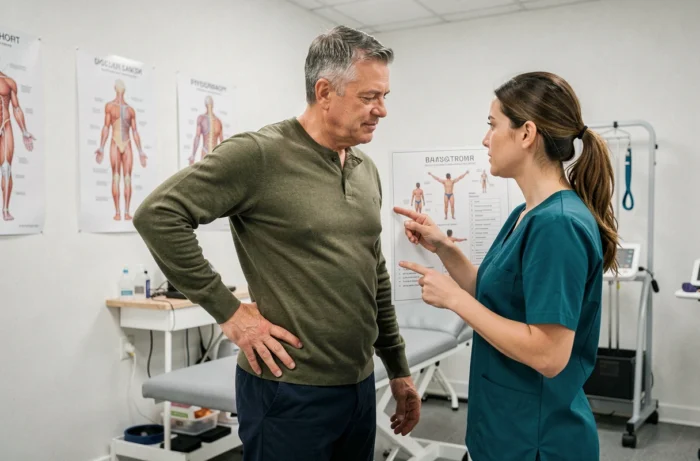
The same exercise program every day does not work when pain varies unpredictably. On high-pain days, maintaining the same activity level can fuel the cycle of avoidance, deconditioning and worsening symptoms. On low-pain days, the temptation to make up for lost time by doing too much often triggers a flare-up in the days that follow.
A flexible, tiered approach replaces a one-size-fits-all program. The idea is to define three activity levels (minimal, moderate and sustained) and choose one each morning based on how you feel, without guilt or overdoing it.
| Activity level for the day | Perceived pain intensity | Suitable activity | Suggested duration |
|---|---|---|---|
| Minimal | High pain, significant fatigue | Gentle movement (seated stretches, guided breathing) | 10-15 min |
| Moderate | Discomfort is present but manageable | Slow walking, light strengthening exercises | 20-30 min |
| Sustained | Little or no pain | Brisk walking, cycling, swimming, extended social activities | 30-45 min |
This framework helps avoid two common pitfalls. The first is complete inactivity on bad days, which accelerates the loss of strength and flexibility. The second is overcompensating on good days, which can trigger a pain flare-up.
The minimal level is not a failure; it is a baseline for maintaining function. Keeping some form of movement, even at a very reduced level, helps preserve confidence in movement and limit progressive muscle deconditioning.
Chronic pain care pathway: three levels of care in France
The framework published by the French National Authority for Health (HAS) in 2023 organizes chronic pain care into different levels. Most follow-up takes place in community care, with a primary care doctor and nearby allied health professionals (physiotherapist, psychologist, nurse).
Referral to a specialist or a chronic pain center (formerly known as a CETD) depends on the complexity of the clinical picture. The HAS notes that referrals often happen after several years of symptoms, delaying access to a multidisciplinary assessment.
- The first level involves the primary care doctor, who coordinates care, reviews treatments and recommends non-drug approaches (adapted physical activity, therapeutic education, stress management).
- The second level involves specialists (rheumatologist, neurologist, psychiatrist) when pain does not respond to first-line treatments or a precise diagnosis is lacking.
- The third level consists of specialist pain centers, which offer a comprehensive assessment and a multidisciplinary program. Waiting times to access these services are often long.
This tiered system means you do not need to wait for a specialist appointment to take action. Active follow-up through local care services covers most situations. The HAS framework also emphasizes involving patients in decisions about their care.
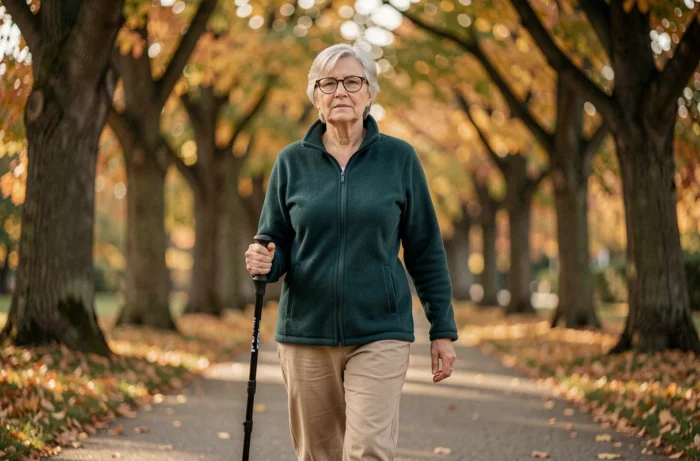
Adapted physical activity and chronic pain: practical strategies for everyday life
Avoiding movement for fear of pain leads to physical deconditioning, which paradoxically increases pain sensitivity. Physiotherapy and adapted physical activity aim to break this cycle by gradually rebuilding confidence in movement.
Three practical strategies are worth distinguishing because they work through different mechanisms.
Gradually returning to movement targets muscle deconditioning. Gentle strengthening exercises, adjusted to your tolerance that day (see the table above), help maintain strength without triggering an inflammatory flare-up. Consistency matters more than intensity.
Pain education changes how the nervous system responds. Understanding that chronic pain does not always signal an active injury can reduce fear of movement. This educational component, included in French recommendations, reduces the heightened bodily vigilance that amplifies pain signals.
The third strategy focuses on stress and sleep management. Chronic stress lowers the pain threshold. Breathing, relaxation or meditation techniques, even when practiced for just a few minutes a day, can help modulate this sensitivity. Poor-quality sleep can worsen pain the next day, making good sleep habits especially important (regular bedtimes, limiting screen use, a calm environment).
Fibromyalgia and persistent pain: a diagnosis that changes the approach
Fibromyalgia is a common cause of widespread chronic pain. Recent French recommendations clarify the diagnostic criteria and specific care approaches. Identifying this condition changes the treatment strategy, as standard painkillers are often not very effective for it.
Care relies more on adapted physical activity, psychological support and therapeutic education than on medication alone. An accurate fibromyalgia diagnosis can prevent years of ineffective treatment.
Coordination between the primary care doctor, rheumatologist and allied health professionals is particularly important here, in line with the tiered care pathway described above. Patients whose symptoms fluctuate between good and bad days can use the flexible, tiered system to adjust their activity without giving up on movement.
Chronic pain does not go away with a single approach. Combining flexible physical activity, a structured care pathway and a better understanding of pain mechanisms provides a realistic foundation for day-to-day management. The 2025 regulatory changes for opioids make it even more important to explore these non-drug alternatives without delay.