This season’s sporting calendar looks nothing like it did five years ago. With the rules of the game changing, competition formats being redesigned and growing debate over athletes’ workloads, the sporting landscape is undergoing a profound transformation. International federations are testing concrete changes, professional leagues are adjusting their business models, and the French public is showing increasing interest in women’s sport.
New football rules: speeding up the game without compromising fairness
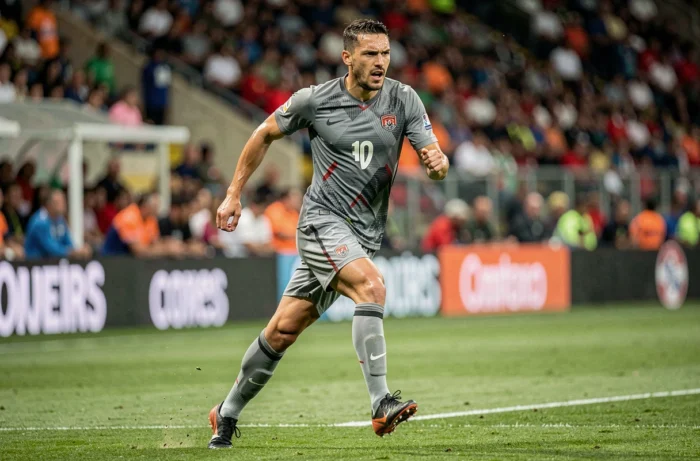
Have you ever noticed how many minutes are wasted after every foul, substitution or goal kick? IFAB, the body responsible for the Laws of the Game in football, is working on changes designed to reduce stoppages and speed up the pace of matches for the 2026-2027 season.
The idea is simple: less downtime, more time in play. Trials are focusing on timekeeping and getting play restarted quickly after stoppages. These adjustments aim to make matches flow better for spectators, whether they are in the stands or watching on a screen.
But questions of fairness arise immediately. Speeding up the game changes the physical demands placed on players. A match with more minutes of actual playing time puts greater strain on their bodies. The issue goes beyond entertainment: it directly affects athletes’ health and competitive balance between teams with unequal squad depth. To keep up with these developments throughout the season, Sport Web’s sports news regularly covers regulatory and scheduling issues.
FIFA is also using youth competitions as a testing ground for modified formats. These trials in youth categories do not imply that the changes will be applied to adult professional football, but they make it possible to assess how alternative rules affect the pace of play and player behavior before any wider rollout.
Athletes’ workloads: a debate that goes beyond the field
Why is this issue taking center stage this season? Because fatigue among professional athletes can no longer be measured solely in minutes played. FIFPRO, the global footballers’ union, has highlighted an often-overlooked factor: travel, media commitments and recovery sessions add considerably to athletes’ actual working hours.
During congested periods in the calendar, working weeks can become particularly long. Time spent flying between international matches, press conferences and contractual photo shoots all adds to training sessions and matches themselves.
In 2026, FIFPRO and industry partners established a social dialogue platform to discuss protections and common standards beyond 2030. The aim is to involve players in scheduling decisions, with guaranteed rest periods and coordination between clubs and national teams.
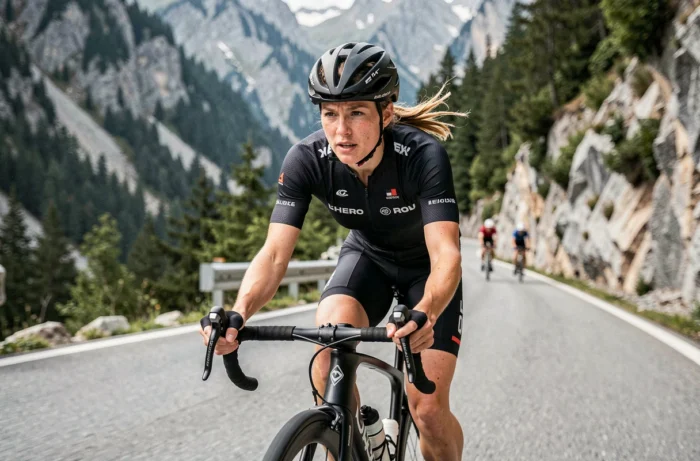
This debate is not limited to football. In rugby, tennis and cycling, increasingly packed schedules raise the same question of sustainability. End-of-season injuries are becoming more common, and several voices in the sporting world are calling for mandatory breaks, agreed collectively rather than left to the discretion of individual clubs.
Women’s sport in France: a growing audience, a business model still finding its feet
The European Commission’s Special Eurobarometer 574, conducted in April-May 2026, offers a significant finding. More French respondents than in 2022 say they enjoy women’s sport as much as men’s sport in the media. Public interest is growing, but commercial opportunities remain limited.
In practical terms, TV audiences for women’s competitions are increasing. Professional women’s clubs are becoming more visible. Some women’s leagues are now attracting sponsors who showed no interest in them three seasons ago.
The gap persists when it comes to revenue. Broadcasting rights remain far below those of men’s competitions. Women’s clubs do not always have the budgets needed to professionalize their entire coaching and support staff. This imbalance holds back both sporting progress and the sector’s economic growth.
- Media audiences for women’s sport in France have grown steadily since 2022, according to 2026 Eurobarometer data
- Sponsors are diversifying their investments into women’s leagues, but the amounts remain modest compared with men’s competitions
- Professionalizing organizations—with dedicated staff, training centers and development programs—is the next step in making this momentum sustainable
Competition formats and the spectator experience: what is really changing this season
Several French and European leagues are experimenting with new formats to attract a wider audience. The StarLigue handball league, for example, has introduced a playoff system. The aim is to create knockout matches that generate more tension and media interest at the end of the season.
This kind of change reflects a broader trend. Organizers are looking to turn every sporting event into a complete experience. The focus is no longer just on the result, but also on the atmosphere, accessibility and content surrounding the match.
Hybrid disciplines are also drawing attention. HYROX, a format combining running and fitness exercises, has attracted tens of thousands of participants in France since its arrival in 2023. Its success reflects a growing appetite for accessible competitions where every participant can track their own progress, outside traditional professional circuits.
The question of fairness between sports
Not all sports have the same ability to reinvent themselves. Football and rugby have the media exposure and financial resources to make experimentation easier. Sports such as fencing, rowing and judo struggle to attract attention outside the Olympic period.
Less prominent federations face a twofold challenge: finding formats that work on social media and securing viable broadcast slots. Without these two levers, the gap between major sports and niche disciplines risks widening further.
This sporting season is about more than results and rankings. Rules are changing, athletes are demanding a say in their schedules, and the French public is broadening its interests. The true measure of these changes will be their long-term impact: a more spectacular sport that wears out its participants prematurely is not sustainable.