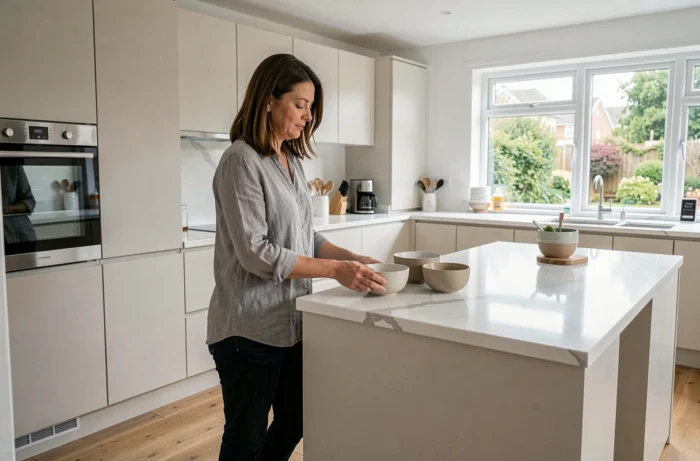
Creating a comfortable, functional home involves choosing equipment that goes beyond simple decoration. Since September 1, 2025, the DPE has included an assessment of passive thermal comfort in summer, bringing solar shading and night-time ventilation into focus alongside heating. This regulatory framework changes the order of priorities: some features long overlooked are now measurable indicators of housing quality.
Flexible equipment: adapting your home without locking it into one layout
Well-chosen equipment remains useful even as occupants’ lifestyles, mobility or family circumstances change. A common pitfall is undertaking major work—such as installing fixed partitions or built-in fixtures—that becomes outdated or unsuitable within a few years.
Choosing removable or repositionable solutions helps reduce this risk. Modular storage on castors, a height-adjustable worktop or movable partitions such as sliding glass panels make it possible to reconfigure a space without structural work.
In the bathroom, a level-access shower tray paired with a grab bar integrated into the fittings works for occupants of all ages, from young children to older adults. Unlike a stairlift or specialist bath seat, this type of feature does not need to be removed if the household’s needs change.
Among the equipment available from Be At Home, this adaptable approach can be found in several rooms throughout the home, from the living room to the kitchen.
- Removable partitions and sliding tracks for dividing spaces without masonry work.
- Height-adjustable furniture (desks, worktops, shelves) that adapts to occupants’ height and physical abilities.
- Sockets and switches positioned between 40 cm and 130 cm above the floor, a range that works for both standing and seated use.
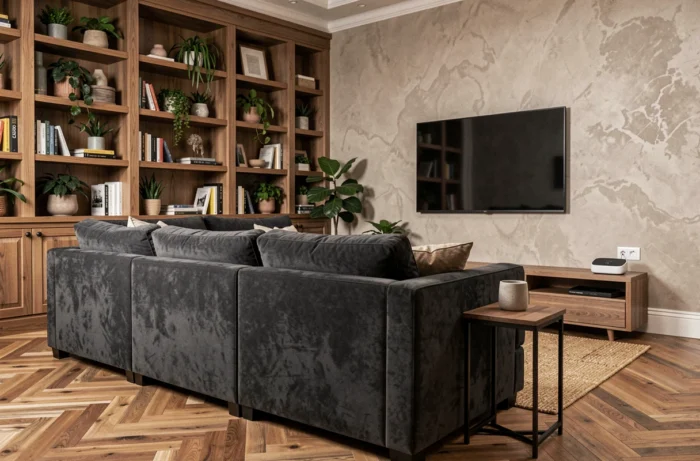
Ventilation and windows: two features to plan together
Replacing old windows with double or triple glazing improves insulation, but also makes a home more airtight. Without adequate air renewal, this can lead to damp, mould and poorer indoor air quality.
High-performance windows and mechanical ventilation are not independent choices. Replacing windows may require adding air inlets if the home does not have a mechanical ventilation system. Installing new windows without addressing ventilation solves one problem only to create another.
A balanced heat-recovery ventilation system, which uses heat from outgoing air to preheat incoming air, is the most suitable option for a renovated home. It costs more to install than a single-flow system, but eliminates direct draughts of cold air into living spaces.
For summer comfort, now assessed as part of the DPE, external solar shading (roller shutters, adjustable external blinds) combined with cross-ventilation at night helps reduce overheating without relying on air conditioning.
Lighting and kitchen design: where cutting corners can cost you
Lighting is one of the most underestimated elements in a home improvement project. A single ceiling light in the centre of a room leaves areas in shadow and strains the eyes. Adding light sources for different activities—food preparation, reading and moving around—can dramatically improve perceived comfort.
In the kitchen, direct lighting beneath wall cabinets prevents you from working in your own shadow. LED strip lights fitted under the cabinets are enough, provided you choose a neutral colour temperature (around 4,000 kelvins) so food colours look true to life.
Kitchen design also deserves careful attention to ergonomics. The work triangle (fridge, sink and cooking area) remains a useful guide: each side should be between one and two paces long to minimise unnecessary movement. A worktop that is too low or too high can cause back pain over time.
For storage, full-extension drawers are a better choice than deep cupboards where items get lost at the back. This simple change cuts down on time spent searching and helps reduce food waste by keeping everything visible.
Adapting a home for ageing: check available grants before buying equipment
Adapting a home to accommodate reduced independence is about more than making a shopping list. The MaPrimeAdapt’ scheme includes support from a project management assistant, who assesses needs and the home’s layout before any equipment is purchased. Having this assessment carried out helps prevent spending money on equipment that does not suit the actual layout of the rooms.
It is important to check the timing of available grants. Some tax incentives, such as the tax credit for accessibility equipment expenses, apply to work invoiced before a specified deadline and may not be renewed. Check which grants are available when planning your project rather than assuming they will remain in place.
The most durable features in this area are those that work for people of all ages: a level-access shower, remote-controlled motorised shutters, and lever door handles instead of round knobs. These choices do not single anyone out and do not need to be removed if the occupants change.
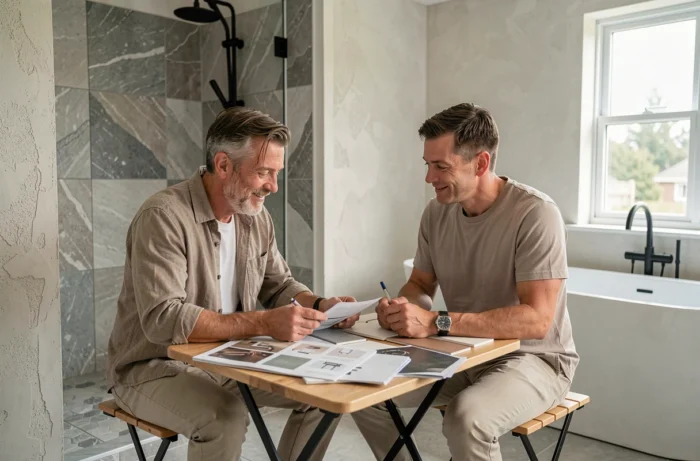
The key to a successful home improvement project is ensuring that all the features work well together. A home with high-performance windows but inadequate ventilation, or a state-of-the-art kitchen with poor lighting, can be frustrating in ways that the money spent cannot make up for. Each feature should be assessed based on how it will actually improve everyday life, not just on its technical specifications in isolation.