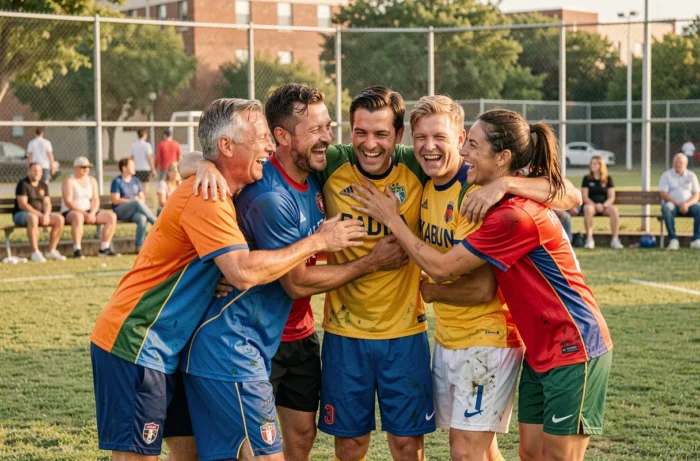
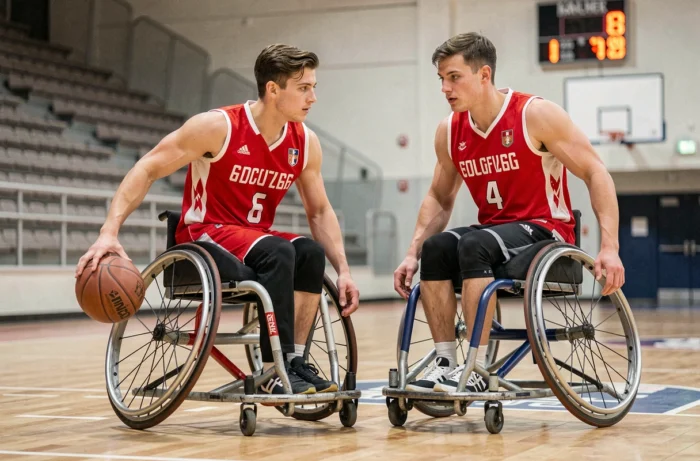
In a municipal gymnasium, a wheelchair basketball training session brings together able-bodied players and players with disabilities every Wednesday. Same court, same rules, same tactical instructions. This type of mixed session, still rare a few years ago, illustrates how sport fosters social inclusion through shared practice, not through discourse. The mechanism is simple: we share an effort, we adjust to each other’s constraints, we build a common routine.
Parasport and regular clubs: a game-changing complementarity
Specialized federations (parasport, adapted sport) are often contrasted with so-called “regular” clubs. On the field, this opposition does not hold. A ministerial response reported in 2026 reminds us that specialized federations provide training, technical support, and adapted practices, while regular clubs open their sessions to mixed audiences.
The most effective approach combines both. A participant can start in a specialized structure to acquire the basics, then join a neighborhood club when they feel ready. This evolving pathway respects everyone’s pace and avoids forcing integration into a framework that is not yet ready to welcome.
However, COSMOS emphasizes that the training of supervisors is not enough without suitable equipment and accessible time slots. The “Inclusive Club” program has supported structures in this regard, by funding specific equipment and helping to rethink schedules. Without available sports wheelchairs or access ramps to the locker room, the best intentions remain unfulfilled.
Local initiatives show that sports solidarity is also built through shared resources. Several associations listed on the Sports Solidarity platform pool equipment between neighboring clubs to reduce costs and broaden accessibility.
Concrete obstacles to sports inclusion: beyond good intentions
An analysis of national data published in 2024 confirms what sports educators have long observed: disability is still associated with a lower likelihood of regular participation. The barriers are not symbolic; they are material.
- Mobility to the practice location poses a recurring problem: inadequate public transport, lack of shuttles, distance too great for independent travel.
- The cost of licenses and specific equipment (sports prostheses, wheelchairs, custom gear) often exceeds the budget of families without dedicated assistance.
- Adapted time slots and disciplines remain concentrated in large urban areas, which effectively excludes participants in rural or suburban areas.
These obstacles do not only concern disability. Young people from priority neighborhoods face similar constraints: distance from facilities, cost of licenses, lack of qualified supervision nearby. Sports inclusion stumbles over logistical issues before it confronts mentalities.
Sport in priority neighborhoods: what proximity changes
When a multi-sport field is installed two streets away from a building, attendance skyrockets without a communication campaign. Geographic proximity remains the primary lever for sports practice for those distanced from sport. Associations that operate directly in neighborhoods, with paid sports educators and equipment on-site, achieve results that distant large clubs do not replicate.
The Interministerial Committee on Cities has identified sport as an intervention axis in priority neighborhoods. Making sport thrive in neighborhoods requires a dense associative network, not just targeted subsidies for a few showcase structures.
The role of volunteers in local sports solidarity
The weight of volunteers is often underestimated. In many small structures, they are the ones who open the gym on Saturday mornings, accompany children on trips, and manage registrations at reduced rates. Without this volunteer fabric, half of the accessible time slots would disappear.
Daily sports solidarity also includes a coach who adapts their exercises to integrate an autistic teenager into the group, or a parent who carpools three kids from the neighboring area. These micro-actions build social ties far more than large media-covered events.
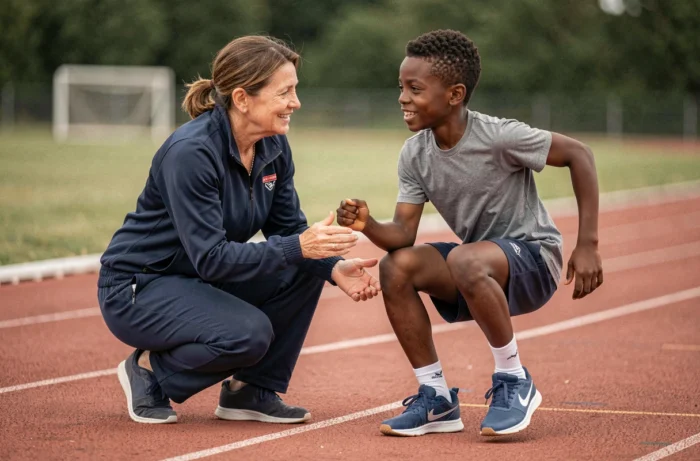
Self-confidence and professional integration through sports practice
Sport develops transferable skills that recruiters increasingly recognize: stress management, teamwork, respect for a collective framework, punctuality. For young people struggling with integration, participating in a sports team structures daily life and restores a self-image that is often damaged.
Several associative programs use sport as a springboard to employment. The principle is straightforward: we train together in the morning, we work on the CV in the afternoon. The regularity of training creates a rhythm that participants then reinvest in their job search or training.
Sport does not replace structured social support, but it provides a framework where individuals regain a capacity for action. This nuance matters: successful programs always combine sports practice with individualized support (administrative assistance, career guidance, psychological support).
When the sports collective compensates for isolation
For elderly individuals or adults in isolation, joining a gentle gym class or a weekly Nordic walking session sometimes represents the only social appointment of the week. The effect on mental health is direct: getting out of the house, exchanging a few words, sharing a locker room.
Social inclusion through sport is not limited to young or disabled audiences. It also concerns isolated seniors, individuals in career transition, and refugees seeking a first foothold in their host city. The sports field remains one of the few spaces where social status temporarily fades in favor of a shared activity.
Clubs that succeed in inclusion share a common point: they do not treat it as a separate project, but as a normal operation. When welcoming all audiences becomes the default rule, sports solidarity ceases to be a slogan and becomes a locker room reality.