
On SeLoger, a listing posted by a private landlord often receives dozens of enquiries within a few hours. The landlord quickly sorts through them, replies to only a few, and prioritizes messages that make things easier.
Contacting a private landlord on SeLoger without a plan is like sending a message to an already overflowing inbox. The difference between a quick reply and radio silence rarely comes down to the rental application: it’s determined by the opening lines of your message and when you send it.
Write an opening message that makes landlords want to reply on SeLoger
When a landlord opens their SeLoger inbox, they see a list of enquiries that are often identical. Long messages, vague introductions, and applicants sending their complete rental application before even suggesting a time to view the property. A private landlord’s natural instinct is to reply first to messages that are short and clear.
An effective opening message is three to five sentences long. Briefly introduce yourself (first name and employment situation), say whether you’re looking for a place for yourself or as a couple, and suggest two or three specific times for a viewing. Nothing more.
Don’t attach your rental application when you first get in touch. The CNIL distinguishes between arranging a viewing and assessing an application. At the appointment-booking stage, detailed financial or employment information is not relevant. Offering to send a complete application after the viewing is enough, and reassures landlords who don’t want to handle supporting documents before meeting applicants.
For more guidance, you can contact a private landlord on SeLoger with Actu Immobilier, which explains best practices for different types of listings.
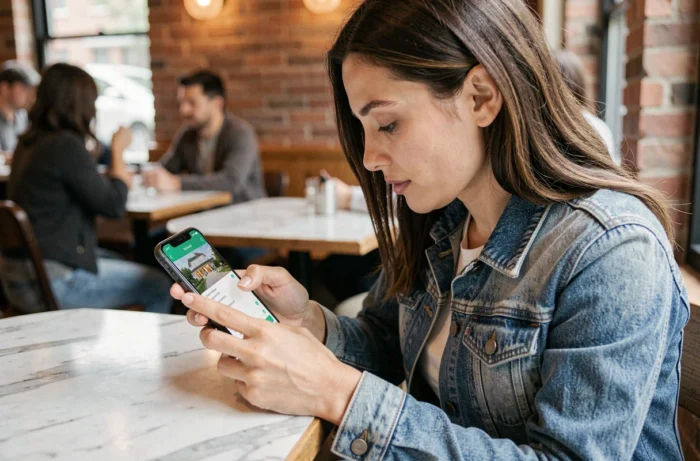
Timing and follow-ups: when to send your message on SeLoger
When you send your message matters just as much as what it says. A private rental listing receives most of its enquiries in the first few hours after it goes live. Getting in during this window makes your message more visible before the inbox gets flooded.
Keep an eye on new property listings
The SeLoger app lets you turn on notification alerts. Set your search criteria (location, budget, size) and you’ll receive an alert as soon as a matching listing is posted. Replying within the first hour after a listing goes live puts your message near the top of the pile.
Listings posted on weekday mornings generally attract less immediate competition than those posted at the weekend. If you’re looking to rent in Paris or another major city, this weekday-morning window can make all the difference.
Follow up without pestering
Private landlords don’t have a structured customer service team. They check their messages when they can, sometimes several days later. If you haven’t heard back after four or five days, a brief, polite follow-up is acceptable.
- Reply in the original message thread rather than starting a new one, so the landlord can see the context
- Suggest another viewing time if the times you initially proposed have passed
- Keep it factual: mention the property, the date of your first message, and confirm that you’re still available
After two follow-ups without a reply, the landlord has probably moved forward with other applicants. It’s better to focus your efforts on new listings.
Prepare a clear rental application to speed up the next steps
Once you’ve secured a viewing, your rental application becomes crucial. A private landlord renting out their property without using a real estate agency handles the document checks themselves. The easier your application is to review, the sooner they can make a decision.
The supporting documents landlords can request are limited to a legally defined list: proof of identity, proof of address, proof of employment, and proof of income. A landlord cannot ask for bank statements, medical records, or an additional ID photo outside this list.
DossierFacile, the free public service, lets you prepare a digital application with watermarked documents. This offers two key benefits:
- The landlord receives a single link to a well-organized application, with no large attachments to open one by one
- The documents are watermarked, reducing the risk of fraudulent reuse by someone with malicious intent
- The application is checked in advance, reassuring private landlords who aren’t used to reviewing supporting documents
This saves time for both sides. The landlord doesn’t have to follow up about missing documents, and applicants avoid sharing their personal documents with every new listing.
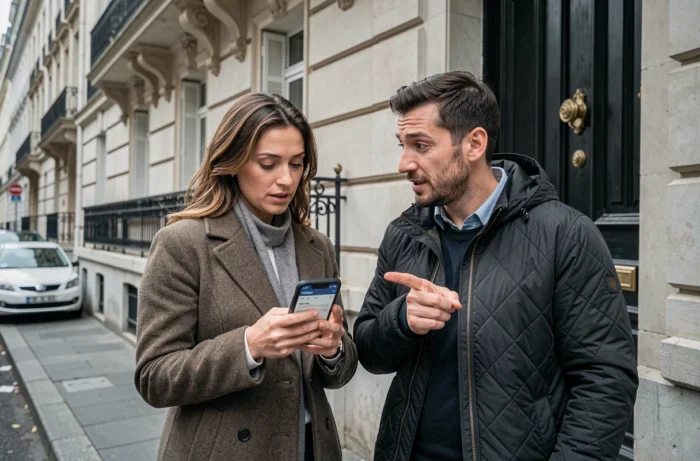
Warning signs to look out for before sharing personal information
Contacting a private landlord on SeLoger means communicating with someone whose identity you haven’t verified in advance. Don’t let the need to act quickly make you forget to be cautious.
Any request for payment before a viewing is a scam warning sign. A legitimate landlord will never ask you to “reserve” a property by bank transfer or money order. If the listing offers rent well below the market rate for the area, or the landlord claims to be abroad and unable to arrange a viewing, there’s a high chance the listing is fraudulent.
Before sending a complete application, check a few things:
- The property address exists and matches the description in the listing
- The landlord agrees to an in-person viewing before you send any supporting documents
- Communication stays on SeLoger’s messaging system rather than moving to an untraceable external email address
Staying on the platform’s messaging system provides at least some traceability in the event of a dispute. If a private landlord insists on immediately switching to WhatsApp or a personal email address, be extra cautious.
Finding a rental directly from a private landlord on SeLoger requires balancing speed with caution. A short message sent at the right time, an application ready to share with the right person, and an eye out for suspicious signs are all it takes to stand out in a crowded inbox.